Essential Resume Structure Choices for Optimal ATS Parsing
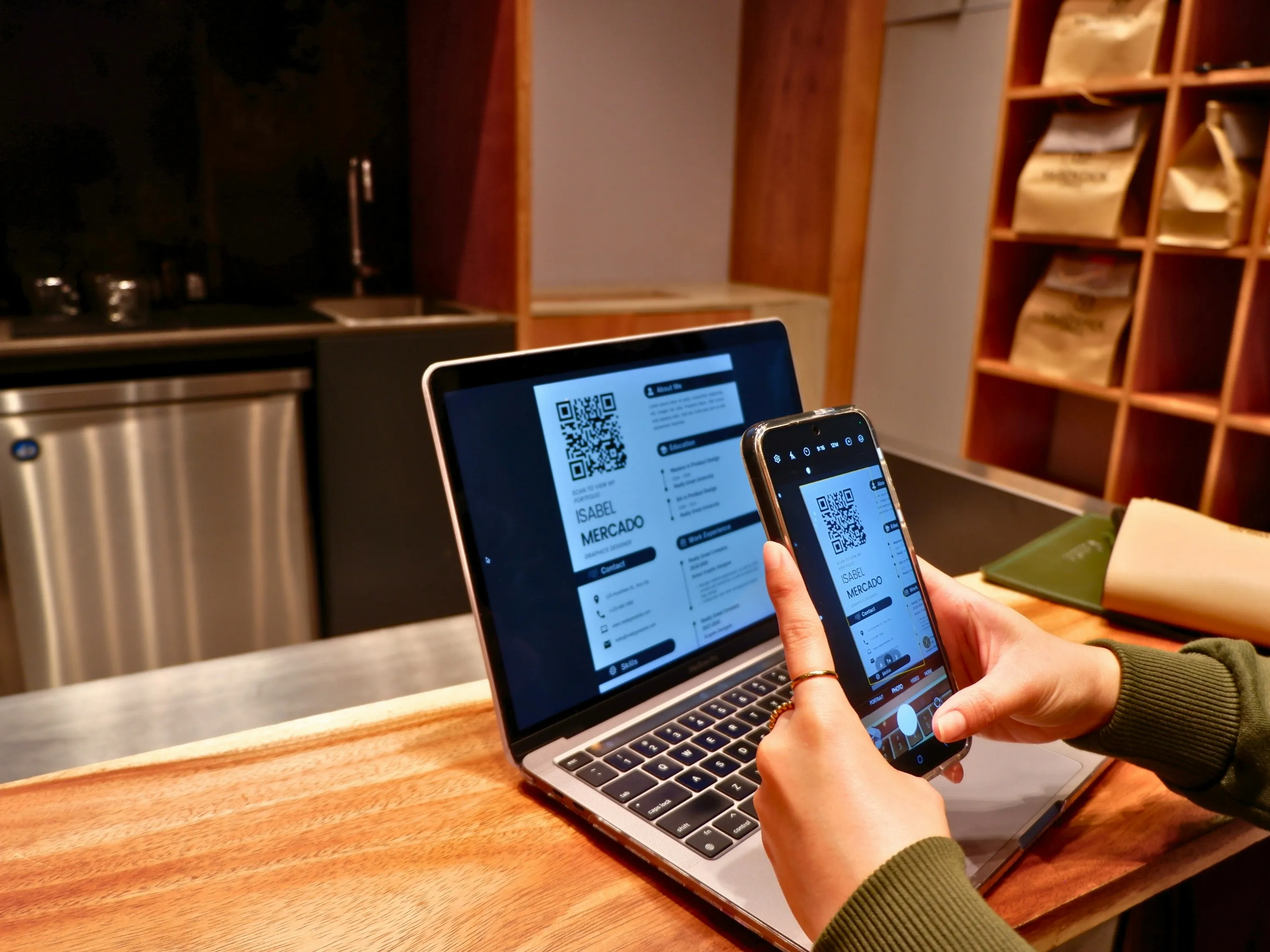
Understanding ATS and Its Importance in Job Applications
In today’s competitive job market, having a well-structured resume is crucial for getting noticed by potential employers. Many companies utilize Applicant Tracking Systems (ATS) to filter resumes before they even reach human eyes. Understanding how these systems work is essential for crafting a resume that not only showcases your skills but also passes the initial screening process.
ATS software scans resumes for specific keywords, formatting, and overall structure. If your resume is not formatted correctly, it may be rejected before a hiring manager has a chance to review it. In this article, we will explore the key structural choices that can improve parsing accuracy and increase your chances of landing an interview.
Key Elements of ATS-Friendly Resume Structure
1. Use Standard Headings
ATS systems are programmed to recognize standard headings such as “Work Experience,” “Education,” and “Skills.” Using unconventional headings can confuse the software and result in important information being overlooked. Stick to commonly accepted titles to ensure that the ATS can easily identify the sections of your resume.
2. Simple Formatting
While creative designs may look appealing, they can hinder ATS readability. Avoid using graphics, images, or unusual fonts, as these elements can disrupt the parsing process. Instead, opt for a clean, simple layout with clear sections. Use standard fonts like Arial, Calibri, or Times New Roman, and maintain a font size between 10 and 12 points.
3. Bullet Points for Clarity
When listing your accomplishments and responsibilities, use bullet points for clarity. This format helps ATS systems parse information more effectively and makes it easier for hiring managers to read. Start each bullet point with a strong action verb to convey your achievements succinctly.
4. Consistent Formatting
Consistency is key in resume structure. Ensure that your formatting is uniform throughout the document. For example, if you bold your job titles, do so for all positions. If you use italics for your education section, maintain that style across all entries. This consistency not only helps ATS but also presents a professional image to recruiters.
5. Keywords Matter
Incorporating relevant keywords from the job description into your resume is vital. ATS systems scan for specific terms that match the job requirements. Identify keywords related to skills, qualifications, and industry jargon, and weave them naturally into your resume. However, avoid keyword stuffing, as this can make your resume sound unnatural.
Structuring Your Resume for Success
1. Contact Information
Your resume should start with your contact information at the top. Include your full name, phone number, email address, and LinkedIn profile (if applicable). Ensure that this information is easily accessible, as ATS systems will look for it first.
2. Summary or Objective Statement
A brief summary or objective statement can provide context for your resume. This section should be concise, highlighting your career goals and key qualifications. Use this opportunity to include relevant keywords that align with the job you’re applying for.
3. Work Experience
The work experience section is often the most critical part of your resume. List your jobs in reverse chronological order, starting with your most recent position. For each role, include your job title, the company’s name, location, and dates of employment. Follow this with bullet points detailing your responsibilities and achievements.
4. Education
Your education section should follow your work experience. Include the name of the institution, degree obtained, and graduation date. If you have relevant certifications or additional training, consider adding these to this section or creating a separate one for certifications.
5. Skills Section
A dedicated skills section allows ATS to quickly identify your qualifications. List both hard and soft skills that are relevant to the position. Be sure to include keywords from the job description to enhance your chances of being noticed.
Final Touches: Proofreading and Testing
Once your resume is structured, it’s essential to proofread for errors. Typos and grammatical mistakes can create a negative impression. Additionally, consider testing your resume with an ATS simulator to see how well it performs. This can provide valuable insights into how your resume is parsed and allow you to make necessary adjustments.
Conclusion
Creating an ATS-friendly resume requires careful consideration of structure and content. By adhering to standard formatting, using clear headings, and incorporating relevant keywords, you can significantly improve your chances of passing the ATS screening process. Tools like MyLiveCV can assist in optimizing your resume, ensuring it meets industry standards and stands out to recruiters. Remember, the goal is to create a document that not only impresses the ATS but also resonates with hiring managers when it reaches them.
Published at: Jan 7, 2026